
Let go of shaping your experience

Yesterday I was inspired by a post on Instagram from Susie the Life Coach (she doesn’t share her last name) that started, “I’m refining the practice of letting things just be what they are.”
She added (I’m paraphrasing): It’s easier with happy moments to allow the thing to be what it is. Those moments feel good, but life isn’t always happy.
Life also includes strained conversations, increased workload, bad news, and traffic.
Daily irritations are harder to allow. We get uncomfortable so we resist and we push against them. We try to control and change them.
Think of all the stuff that you’ve survived up until now. You survived a lot of stuff that was very challenging, stuff that you didn’t like.
Looking back, you might have spent a lot of energy resisting and fighting against the stuff that made you feel frustrated or helpless or disappointed.
What if you had let go of shaping those experiences? What if you met all of those things with the attitude, “Okay, here we are, dealing with this now”?
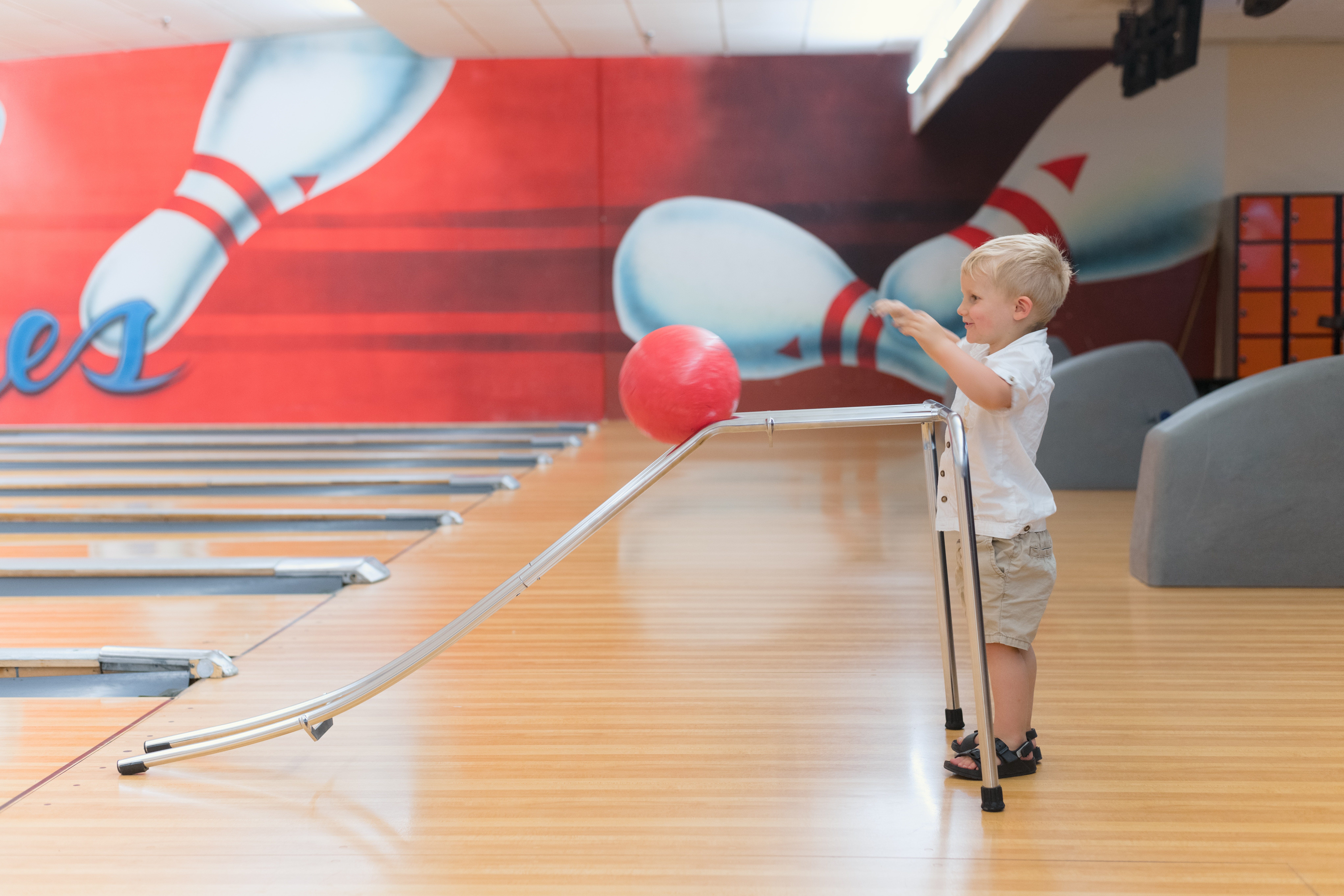
What if you decided, “OK, I’m gonna deal with it”? What if you just allowed it to be?
It would still suck. It would still be annoying. But you just let it be. Allow it.
One benefit that Susie shared: letting go of shaping your experience is a huge act of self love “because you’re gonna suffer just a little bit less.”
As a parenting expert and an advocate for the next generation of leaders, I would add: when you practice letting things be what they are instead of shaping them, you are practicing being a guide for your kids.
One way to raise kick-ass kids is to “Be the Good Witch.” In the 2020 update to my book “Laugh More, Yell Less,” I channeled Glinda from The Wizard of Oz, writing:
Protect their feelings. Give your sons and daughters and non-binary kids a safe space where they can decompress and be themselves. Kids need that space but sometimes they don’t know where to find it. Long term, you want them to have a space where they come with their problems. Make your home that space.
My parents were incredibly adept at denying my experience. Especially as a boy who had a full set of feelings, and who was a little shy and a little sensitive, I was often told, “no, you don’t” when I said I felt sad or angry. They decided that the world was not a safe place for a sensitive boy. In an attempt to protect me, they gaslighted me. They taught me to fear unpleasant emotions and keep them to myself.
As an adult, it took time for me to realize the effects that this gaslighting had on me and to unlearn their unhelpful coping mechanisms. My reflex is still to protect myself from anger, sadness, guilt, shame, disappointment, frustration, vulnerability, embarrassment, and helplessness. I grew up fearing these would be gateways to bigger problems, until I developed the emotional intelligence to know that I could handle them.
Ironically, I learned to defy the advice that I should never show these parts of myself to the world. Keeping these feelings to myself and not calling them by name only made them stronger. Talking to trusted friends about feelings of shame or sadness allowed me to process them in the relational space between us.
Learning that I could handle my feelings was one way to let go of shaping my experience. Expanding this practice can have far-reaching effects on yourself, the ones you love, and your kids.
photo credit: Josh Applegate/Unsplash